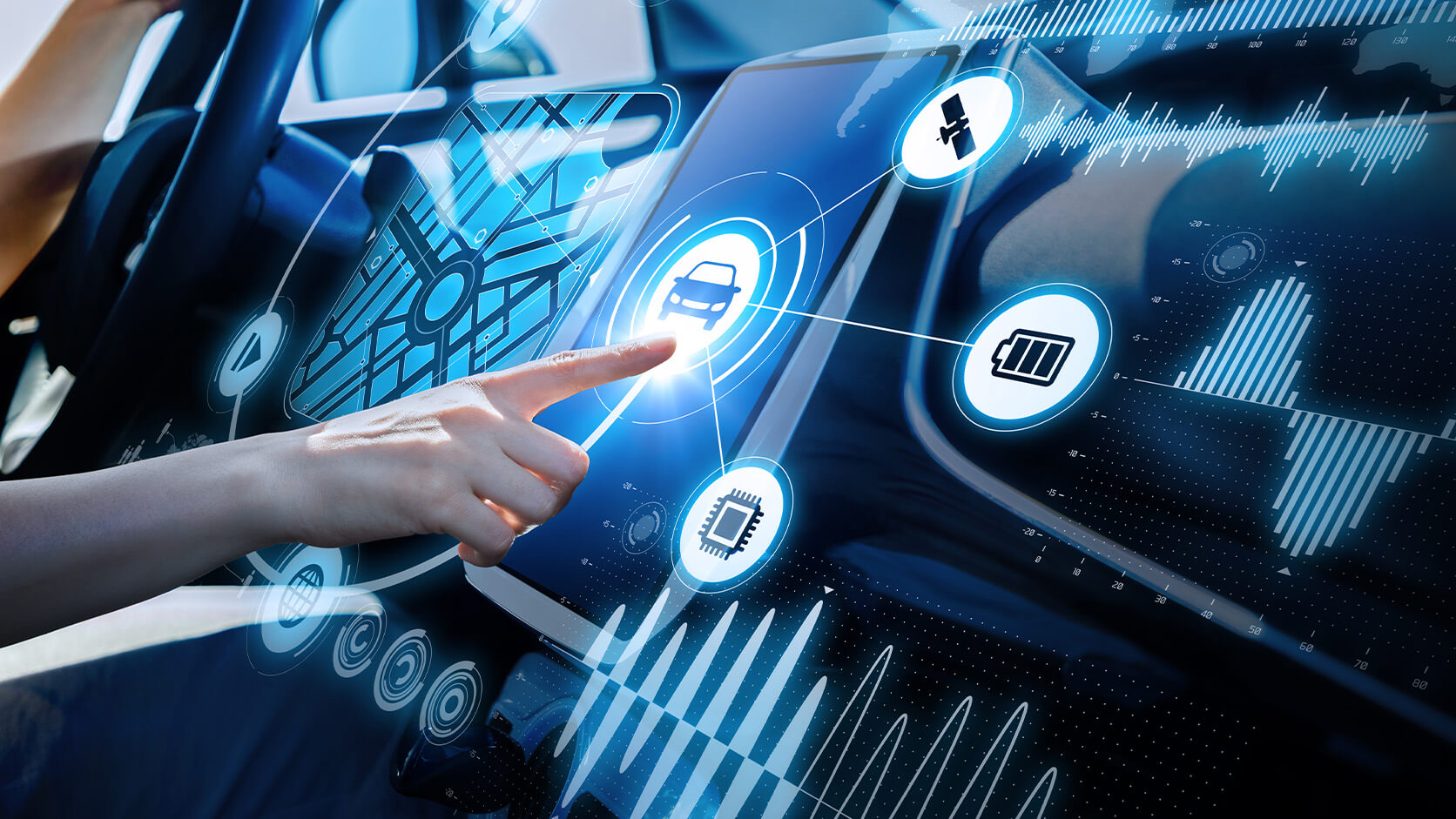
Automotive Digital Retail & Connected Ownership | AVAS Automotive Data Platform
Automotive Digital Retail & Connected Ownership: The Future of the Modern Dealership Customer Experience
The Automotive Retail Experience Is No Longer Defined by the Showroom
The automotive retail industry has experienced one of the most significant transformations in its history. Today's vehicle buyers no longer begin—or end—their purchasing journey inside a dealership. Instead, they expect a seamless digital experience that extends from researching inventory online to financing, purchasing, servicing, and owning their vehicle long after they leave the lot.
This shift has given rise to two closely connected concepts that are reshaping dealership operations:
Automotive Digital Retail
Connected Ownership
While digital retail focuses on making the purchasing process faster, more transparent, and more convenient, connected ownership ensures the customer relationship continues throughout the entire ownership lifecycle.
For dealerships, this represents a tremendous opportunity.
Rather than viewing a vehicle sale as the end of the customer journey, forward-thinking dealerships are using connected technology, artificial intelligence (AI), first-party customer data, and vehicle intelligence to build long-term relationships that increase customer satisfaction, improve retention, generate recurring revenue, and encourage repeat purchases.
According to McKinsey & Company, digital transformation and connected vehicle technologies continue to reshape how consumers purchase, own, and interact with their vehicles, creating new opportunities for dealerships to deliver ongoing value throughout the ownership experience.
Source:
https://www.mckinsey.com/industries/automotive-and-assembly
For dealerships looking to remain competitive, digital retail is no longer simply about selling vehicles online—it's about creating an intelligent ownership ecosystem that keeps customers engaged for years after delivery.
What Is Automotive Digital Retail?
Automotive digital retail refers to the technologies, tools, and customer experiences that allow consumers to complete significant portions of the vehicle buying process online while maintaining a seamless connection with the dealership.
Today's consumers expect to perform many traditionally in-store tasks from virtually anywhere, including:
Browsing available inventory
Comparing vehicle features
Estimating trade values
Calculating monthly payments
Applying for financing
Scheduling appointments
Reserving vehicles
Completing paperwork
Communicating with dealership staff
Digital retail gives customers more flexibility while allowing dealerships to streamline operations and improve the overall buying experience.
However, successful digital retail extends beyond online purchasing.
The most successful dealerships recognize that the digital customer journey continues after the sale through:
Service scheduling
Maintenance reminders
Warranty management
Vehicle health notifications
Connected mobile applications
Personalized dealership offers
Loyalty rewards
Trade-in opportunities
Future vehicle recommendations
This ongoing engagement transforms a one-time vehicle purchase into a long-term customer relationship.
The Evolution from Digital Retail to Connected Ownership
Many dealerships have invested heavily in improving the online shopping experience.
While this remains important, consumers increasingly evaluate dealerships based on the quality of the ownership experience after delivery.
Buying a vehicle is only one milestone in a much longer relationship.
Customers now expect their dealership to remain accessible throughout ownership by providing useful information, proactive communication, and personalized services that simplify vehicle ownership.
This evolution has led to the concept of Connected Ownership.
Connected ownership combines digital technologies, vehicle intelligence, customer data, artificial intelligence, and mobile experiences into a unified ecosystem designed to improve every stage of vehicle ownership.
Instead of interacting with the dealership only when service is required, customers remain continuously connected through intelligent digital experiences.
These experiences may include:
Maintenance reminders based on actual vehicle usage
Digital glovebox access
Connected vehicle information
Recall notifications
Warranty status
Service appointment scheduling
Personalized dealership promotions
Trade-in opportunities
Loyalty rewards
Vehicle location services
Ownership resources
The dealership becomes more than a place to purchase vehicles—it becomes a trusted ownership partner.
Why Connected Ownership Matters More Than Ever
Modern consumers have become accustomed to personalized digital experiences in nearly every aspect of their lives.
Streaming services recommend content.
Retailers suggest products based on purchasing history.
Financial institutions provide personalized account insights.
Consumers increasingly expect the same level of personalization from automotive retailers.
Unfortunately, many dealerships still communicate with customers using generic email campaigns, mass text messages, or scheduled service reminders that fail to reflect individual ownership behavior.
This creates missed opportunities to build meaningful customer relationships.
Connected ownership changes that dynamic by delivering communications that are timely, relevant, and personalized.
Instead of sending the same message to every customer, dealerships can provide information based on factors such as:
Vehicle ownership duration
Mileage
Service history
Driving patterns
Warranty milestones
Customer preferences
Previous purchases
Seasonal maintenance needs
Vehicle lifecycle events
The result is a significantly more valuable customer experience that strengthens trust while increasing dealership engagement.
The Modern Customer Journey Has Changed
Today's automotive customer rarely follows a straight purchasing path.
Instead, buyers move fluidly between online research, mobile devices, dealership websites, in-person visits, digital communications, and connected vehicle technologies.
A typical journey may include:
Researching vehicle options online.
Comparing financing offers.
Reading customer reviews.
Viewing dealership inventory.
Scheduling a test drive.
Completing financing paperwork digitally.
Purchasing the vehicle.
Downloading the dealership's mobile application.
Receiving maintenance reminders.
Scheduling service appointments online.
Receiving personalized ownership updates.
Trading in the vehicle several years later.
Rather than treating these as separate interactions, connected dealerships view them as one continuous customer journey.
Every interaction provides valuable insight into customer preferences and future needs.
When managed effectively, each interaction helps strengthen long-term customer relationships while creating opportunities for future sales and service revenue.
How Consumer Expectations Continue to Evolve
Consumer expectations have accelerated dramatically over the past decade.
According to Statista, digital commerce continues to grow across virtually every industry as consumers increasingly prefer convenient, personalized, and mobile-first experiences.
Source:
https://www.statista.com/topics/974/online-shopping/
Automotive buyers are no exception.
Today's customers increasingly expect:
Faster purchasing experiences
Digital convenience
Mobile accessibility
Transparent communication
Personalized recommendations
Real-time information
Self-service options
Connected technology
Ongoing dealership engagement
Dealerships that continue relying solely on traditional sales processes risk creating friction that modern consumers no longer accept.
By embracing digital retail and connected ownership strategies, dealerships position themselves to meet evolving customer expectations while differentiating themselves in an increasingly competitive marketplace.
Benefits of Automotive Digital Retail for New and Used Car Dealerships
Digital retail delivers measurable benefits across nearly every area of dealership operations.
Rather than replacing traditional sales processes, it enhances them by improving efficiency, reducing friction, and creating better customer experiences.
Key benefits include:
Improved Customer Satisfaction
Customers appreciate the flexibility to complete portions of the buying process on their own schedule while still having access to dealership experts when needed.
Increased Sales Efficiency
Sales teams spend less time gathering basic information and more time helping customers make informed purchasing decisions.
Higher Customer Engagement
Digital communication keeps customers connected long after vehicle delivery, increasing opportunities for repeat business and referrals.
Greater Service Retention
Connected ownership encourages customers to return to the dealership for maintenance through timely reminders, personalized offers, and simplified scheduling.
Better First-Party Customer Data
Every digital interaction generates valuable first-party customer data that helps dealerships better understand ownership behavior, improve marketing effectiveness, and deliver more personalized experiences.
Stronger Long-Term Loyalty
Customers who enjoy convenient, personalized ownership experiences are significantly more likely to remain loyal throughout multiple vehicle ownership cycles.
Rather than competing solely on vehicle pricing, dealerships can compete on the quality of the ownership experience they provide—creating stronger customer relationships and sustainable long-term growth.
Artificial Intelligence Is Transforming the Connected Ownership Experience
Artificial intelligence is quickly becoming one of the most valuable technologies available to automotive dealerships. Rather than simply automating repetitive tasks, AI enables dealerships to better understand customer behavior, personalize communications, and anticipate customer needs throughout the ownership journey.
Instead of waiting for a customer to schedule service or begin shopping for another vehicle, AI continuously evaluates customer interactions, vehicle data, ownership history, and dealership engagement to help identify opportunities before they are missed.
Examples include:
Identifying customers approaching recommended maintenance intervals.
Recognizing changing driving habits that may indicate increased service needs.
Suggesting personalized maintenance recommendations.
Identifying customers likely to purchase another vehicle.
Prioritizing customers based on engagement levels.
Recommending relevant dealership offers based on ownership behavior.
Artificial intelligence transforms dealership operations from reactive to proactive, allowing dealership teams to spend less time searching for opportunities and more time acting on qualified customer insights.
Connected Vehicles Are Reshaping the Ownership Experience
Modern vehicles generate significantly more operational data than ever before.
Vehicle intelligence can provide dealerships with valuable insights that improve both customer satisfaction and dealership operations.
Depending on manufacturer capabilities, connected vehicle information may include:
Vehicle health information
Battery status
Maintenance indicators
Mileage
Driving activity
Recall eligibility
Diagnostic information
Warranty status
Vehicle location
Ownership milestones
When combined with dealership customer data, this information creates opportunities for far more personalized customer engagement.
Rather than relying on generic maintenance schedules based solely on time intervals, dealerships can deliver communications based on actual vehicle usage and ownership conditions.
Customers benefit from receiving timely, relevant information while dealerships improve customer trust and long-term retention.
According to the National Highway Traffic Safety Administration (NHTSA), connected vehicle technologies continue to improve communication between vehicles, infrastructure, and transportation systems, helping create safer and more intelligent transportation ecosystems.
Source:
https://www.nhtsa.gov/technology-innovation/connected-and-automated-vehicles
Digital Retail Doesn't End at Vehicle Delivery
Historically, dealerships have invested considerable resources into generating leads and closing vehicle sales.
However, customer lifetime value extends well beyond the initial transaction.
Connected ownership allows dealerships to continue delivering value throughout the ownership lifecycle.
Examples include:
Digital Service Scheduling
Customers can quickly schedule maintenance appointments through a dealership portal or mobile application without making a phone call.
Digital Vehicle Information
Customers have convenient access to important ownership information, including:
VIN
Warranty information
Service history
Maintenance schedules
Recall notifications
Vehicle documentation
Ownership Notifications
Automated reminders help customers stay informed about:
Oil changes
Tire rotations
Factory maintenance intervals
Inspection schedules
Warranty expiration dates
Personalized Offers
Artificial intelligence helps dealerships recommend offers based on:
Ownership duration
Driving activity
Seasonal maintenance
Customer preferences
Service history
Trade equity opportunities
These ongoing interactions help transform the dealership into an active ownership partner rather than a business customers visit only when they need repairs.
Creating a True Dealership Customer Experience Platform
Consumers increasingly judge brands based on the overall experience rather than individual transactions.
Automotive dealerships are no different.
A dealership customer experience platform connects every stage of the customer journey into one continuous relationship.
Rather than managing disconnected interactions across multiple systems, dealerships create a unified ownership experience that includes:
Sales
Finance
Service
Connected vehicle information
Customer communications
Loyalty programs
Mobile applications
Marketing automation
AI-powered recommendations
This creates a consistent experience regardless of whether customers interact online, through a mobile application, by phone, or inside the dealership.
The result is greater convenience for customers and greater operational visibility for dealership teams.
Real-World Dealership Use Cases
Digital retail and connected ownership create measurable value across every department within the dealership.
Use Case 1: Improving Service Retention
A customer purchases a vehicle and downloads the dealership's mobile application.
Several months later, the vehicle reaches its recommended maintenance interval based on actual mileage.
Rather than sending a generic reminder to every customer, the dealership automatically sends a personalized notification encouraging the customer to schedule service online.
The customer books an appointment in minutes while the dealership increases fixed operations revenue.
Use Case 2: Building Long-Term Customer Loyalty
A family purchases an SUV.
Throughout ownership, they receive:
Vehicle maintenance reminders
Recall notifications
Warranty updates
Loyalty rewards
Personalized service offers
Educational ownership content
Several years later, when the family begins researching another vehicle, they already have an established relationship with the dealership.
The next purchase becomes significantly more likely because trust has already been built over years of consistent engagement.
Use Case 3: Improving Trade-In Opportunities
Artificial intelligence identifies customers approaching common ownership milestones.
Rather than waiting for customers to begin shopping elsewhere, the dealership proactively reaches out with personalized trade-in opportunities based on ownership history, estimated vehicle equity, and current market demand.
This creates a better customer experience while increasing vehicle acquisition opportunities for the dealership.
Use Case 4: Enhancing Customer Communication
Instead of sending broad marketing campaigns, dealerships communicate based on individual customer behavior.
For example:
Customers driving higher-than-average annual mileage receive maintenance reminders earlier.
Owners approaching warranty expiration receive service recommendations.
Customers with growing families receive recommendations for larger vehicles.
Electric vehicle owners receive charging and ownership resources relevant to their specific vehicle.
Every communication becomes more useful and more likely to generate engagement.
Why First-Party Customer Data Is More Valuable Than Ever
Privacy regulations and changing digital advertising practices have increased the importance of first-party customer data.
Unlike third-party data collected through outside advertising networks, first-party data comes directly from customer interactions with the dealership.
Examples include:
Vehicle purchases
Service visits
Website activity
Mobile application usage
Customer preferences
Connected vehicle interactions
Appointment scheduling
Digital retail activity
Because dealerships own this information, they gain greater control over customer relationships while reducing dependence on outside advertising platforms.
According to McKinsey & Company, organizations that effectively leverage customer data are better positioned to personalize customer experiences, improve operational performance, and increase long-term customer value.
Source:
https://www.mckinsey.com/capabilities/growth-marketing-and-sales
Digital Ownership Creates New Revenue Opportunities
Many dealerships focus primarily on generating revenue through vehicle sales.
Connected ownership expands revenue opportunities throughout the customer lifecycle.
Examples include:
Increased service retention
Extended warranty sales
Maintenance packages
Tire replacement programs
Accessory sales
Subscription services
Vehicle protection products
Trade-in opportunities
Repeat vehicle purchases
Referral programs
Each ownership interaction becomes another opportunity to strengthen customer relationships while increasing dealership profitability.
Rather than relying exclusively on new vehicle sales, dealerships can generate recurring value by continuously supporting customers throughout vehicle ownership.
Consumers Expect Mobile-First Ownership Experiences
Smartphones have become the primary way consumers manage nearly every aspect of daily life, including banking, travel, healthcare, shopping, and entertainment.
Vehicle ownership is rapidly following the same trend.
Customers increasingly expect to manage their ownership experience directly from their mobile devices.
Modern dealership applications can allow customers to:
View vehicle information
Schedule service
Access maintenance records
Receive important vehicle notifications
Contact dealership staff
Manage multiple household vehicles
Receive personalized offers
Stay connected throughout ownership
According to Statista, mobile device usage continues to increase globally, reinforcing consumer demand for convenient digital experiences across every industry.
Source:
https://www.statista.com/topics/840/mobile-internet/
The Future of Automotive Digital Retail & Connected Ownership
Automotive retail continues to evolve at an incredible pace.
Customers no longer compare their dealership experience solely against other dealerships—they compare it to every digital experience they encounter each day.
They expect the same convenience they receive from online banking.
The same personalization they experience while shopping online.
The same instant access they enjoy from mobile applications.
And the same proactive communication they receive from their favorite brands.
The dealerships that embrace connected ownership today will be the ones that earn customer loyalty tomorrow.
The future of automotive retail will be defined by dealerships that create intelligent, connected customer experiences extending well beyond the showroom.
Building a Connected Ownership Ecosystem
Connected ownership is not a single software application or dealership process.
It is an ecosystem that connects people, vehicles, dealership operations, artificial intelligence, and customer engagement into one continuous ownership experience.
Instead of viewing departments independently, connected dealerships create a unified customer journey across:
Sales
Finance & Insurance (F&I)
Vehicle Delivery
Service
Parts
Customer Support
Marketing
Mobile Applications
Connected Vehicle Services
Each department contributes valuable information that strengthens the overall customer relationship.
Rather than customers repeating information every time they interact with the dealership, connected ownership creates a seamless experience where every interaction builds upon previous ones.
This not only improves customer satisfaction but also allows dealership staff to provide more informed, personalized service at every stage of ownership.
Connected ownership is most effective when powered by an Automotive Customer Data Platform (CDP) that unifies customer, vehicle, and dealership information into a single intelligent profile.
The Role of AI in the Next Generation of Dealerships
Artificial intelligence is becoming the intelligence layer that connects every customer interaction.
Instead of simply storing information, AI continuously analyzes customer activity to identify opportunities that improve both customer experience and dealership performance.
Examples include:
Identifying customers who may be ready to purchase another vehicle.
Recognizing changes in driving behavior that may indicate upcoming maintenance needs.
Prioritizing customer communications based on engagement levels.
Recommending personalized offers based on ownership history.
Predicting future service demand.
Identifying customers at risk of becoming inactive.
Rather than relying on assumptions or manual reporting, dealership teams receive actionable recommendations supported by real customer and vehicle data.
This allows dealerships to become increasingly proactive while improving operational efficiency.
Artificial intelligence becomes even more valuable when combined with predictive analytics for dealerships, helping dealership teams anticipate customer needs before opportunities are missed.
Why Customer Experience Is Becoming the Ultimate Competitive Advantage
Vehicle pricing has become increasingly transparent.
Inventory is widely searchable online.
Consumers can compare financing options in minutes.
As these competitive advantages become easier to replicate, customer experience becomes an increasingly important differentiator.
Dealerships that create exceptional ownership experiences often earn benefits that extend far beyond the initial sale, including:
Higher customer satisfaction
Increased service retention
Stronger online reviews
More referral business
Greater customer loyalty
Higher customer lifetime value
Increased repeat purchases
Rather than competing solely on price, dealerships compete on the overall value they provide throughout ownership.
This shift creates long-term business advantages that cannot easily be duplicated by competitors.
Why the AVAS Automotive Data Platform Is Built for Connected Ownership
Creating an exceptional ownership experience requires more than disconnected software tools.
It requires one intelligent platform capable of bringing together customer data, vehicle intelligence, artificial intelligence, dealership engagement, and connected ownership services.
The AVAS Automotive Data Platform was built specifically to help dealerships create these connected customer experiences.
Rather than functioning as another isolated dealership application, AVAS helps unify customer interactions throughout the ownership lifecycle while providing actionable intelligence that supports smarter business decisions.
Key capabilities include:
Connected Customer Profiles
Create a complete view of every customer by combining ownership history, dealership interactions, vehicle information, engagement activity, and first-party customer data into one intelligent profile.
AI-Powered Customer Engagement
Artificial intelligence helps dealerships deliver more relevant communications based on customer behavior, ownership milestones, and vehicle lifecycle events.
Connected Vehicle Intelligence
Transform connected vehicle data into meaningful customer engagement opportunities through intelligent maintenance reminders, ownership insights, and proactive customer communication.
Digital Ownership Experience
Provide customers with an ongoing digital relationship through convenient access to important ownership information, dealership resources, and personalized engagement throughout the life of the vehicle.
Automated Customer Lifecycle Marketing
Deliver timely communications that strengthen customer relationships while increasing opportunities for service retention, trade-ins, referrals, and future vehicle purchases.
Intelligent Business Insights
Help dealership leadership better understand customer behavior, dealership performance, and long-term growth opportunities through AI-powered business intelligence.
Together, these capabilities help dealerships create an ownership experience that continues long after the vehicle leaves the showroom.
Learn more about the AVAS Automotive Data Platform:
https://myavas.com/automotive-data-platform
Conclusion
Automotive digital retail has fundamentally changed how consumers purchase vehicles.
Connected ownership is now changing how they experience them.
The dealerships that succeed over the next decade will be those that recognize the customer journey does not end when the sales contract is signed. Instead, every service visit, mobile interaction, vehicle milestone, and ownership event becomes an opportunity to strengthen the customer relationship.
By combining artificial intelligence, connected vehicle intelligence, first-party customer data, and digital engagement, dealerships can deliver personalized experiences that improve customer satisfaction, increase retention, strengthen loyalty, and drive long-term profitability.
The AVAS Automotive Data Platform was designed to help dealerships make this transition.
By connecting customer intelligence, digital retail, AI-powered engagement, connected ownership, and vehicle data into one unified platform, AVAS empowers dealerships to create exceptional customer experiences while uncovering new opportunities for growth.
Whether your dealership is looking to modernize digital retail, improve post-sale customer engagement, increase service retention, or build stronger lifelong customer relationships, the AVAS Automotive Data Platform provides the intelligent foundation needed to make connected ownership a reality.
Discover how AVAS can help your dealership transform the customer journey from the first online interaction to years of successful vehicle ownership.
Learn more:
https://myavas.com/automotive-data-platform
👉 Book a demo to see how AVAS Automotive Data Platform can impact your Dealerships retention.
👉 Call Us and speak with a specialist